
Bethlehem Primitive Baptist Church: A Quiet Landmark with Roots That May Reach the 1700s
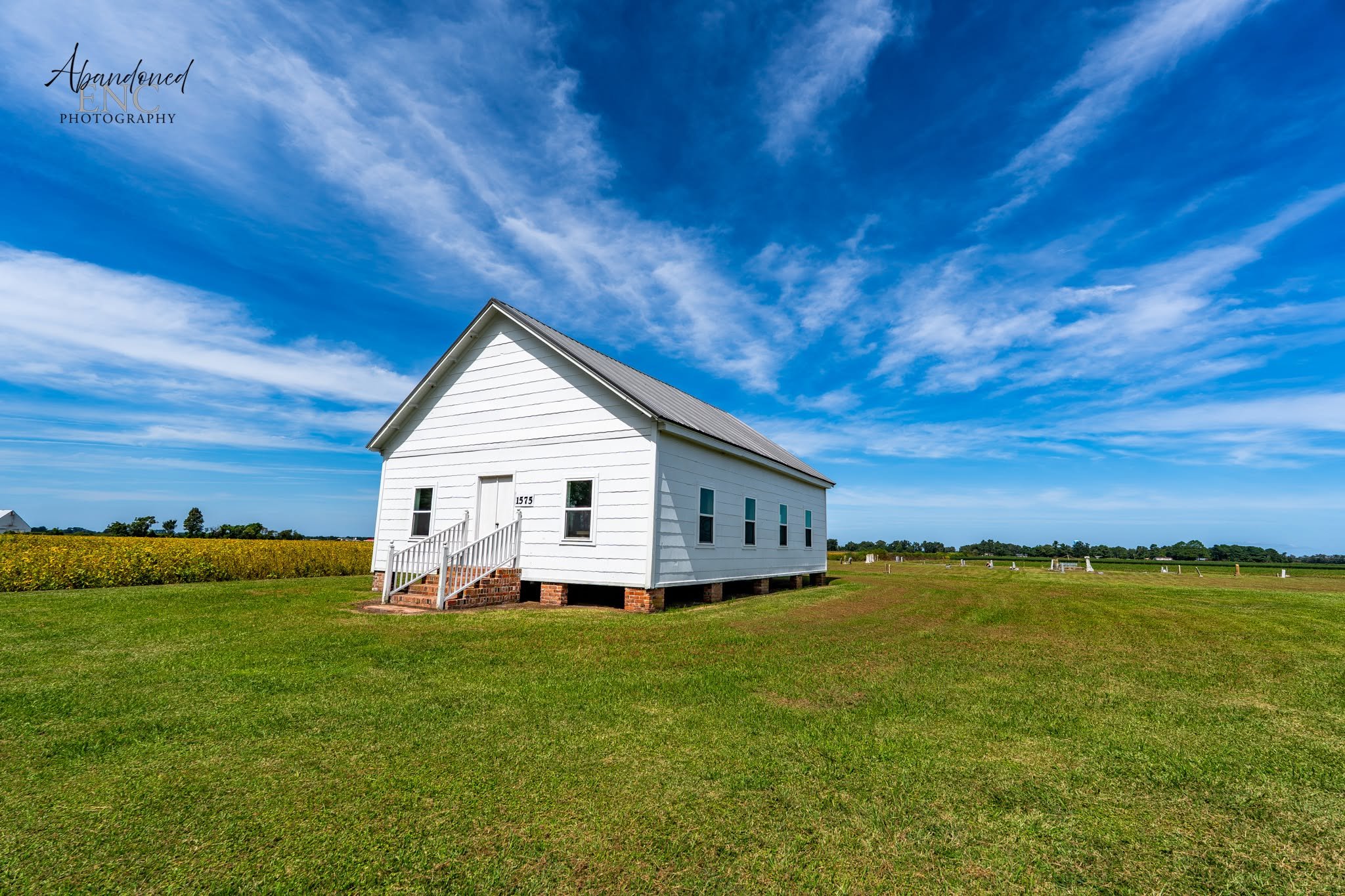
Some of the oldest buildings in eastern North Carolina aren't found in busy downtowns or surrounded by historic districts. Instead, they stand quietly along country roads, overlooking fields that have changed little over the centuries. Bethlehem Primitive Baptist Church in Hyde County is one of those places.
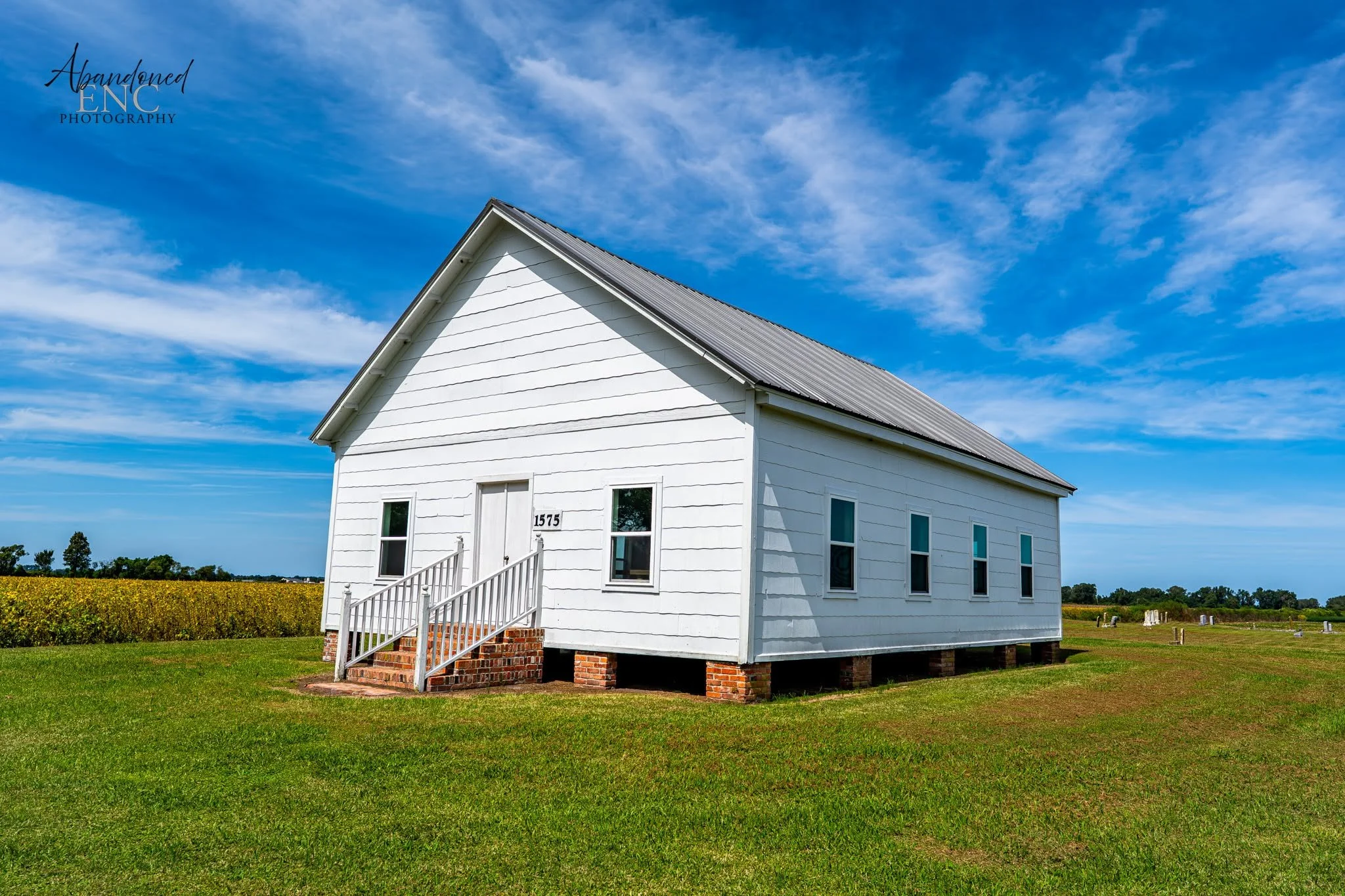
At first glance, it's a simple white wooden church. But its story stretches back more than two hundred years and may begin even earlier than most people realize.
A Quaker Meeting House Before a Baptist Church
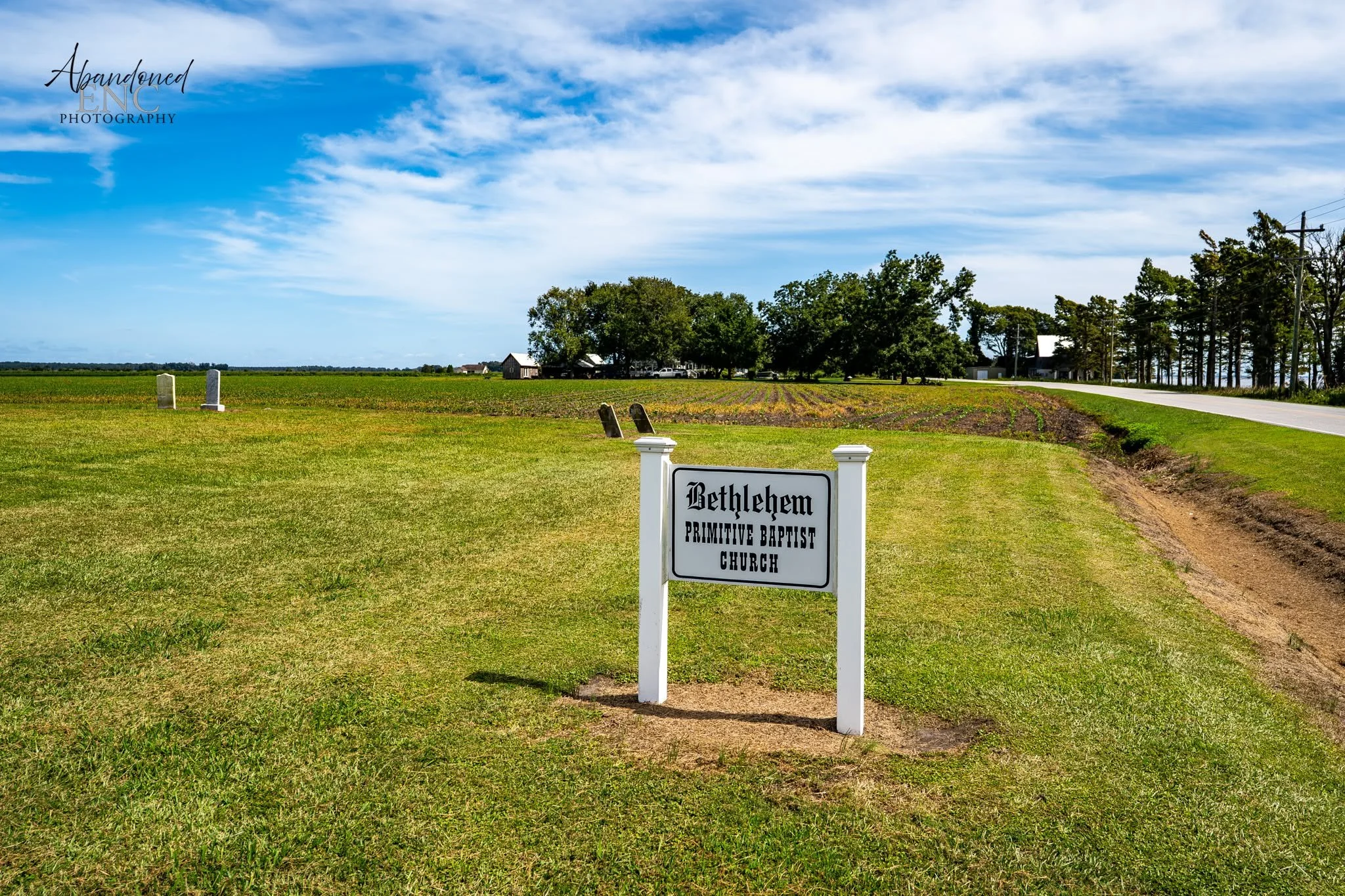
The history of this site begins with a deed dated March 2, 1798. That document records the sale of land on the north side of Mattamuskeet Lake and specifically mentions an existing Quaker meeting house and graveyard. The property was conveyed to Ezekiel Harris, James Hall, and Lemuel Cartwright for the continued use of the Quaker congregation.
The mention of an already-existing meeting house tells us something important. Before churches were commonly built in colonial North Carolina, settlers often gathered at convenient locations for worship. According to Hyde County History, religious services may have been held here for many years before the 1798 deed was ever recorded.
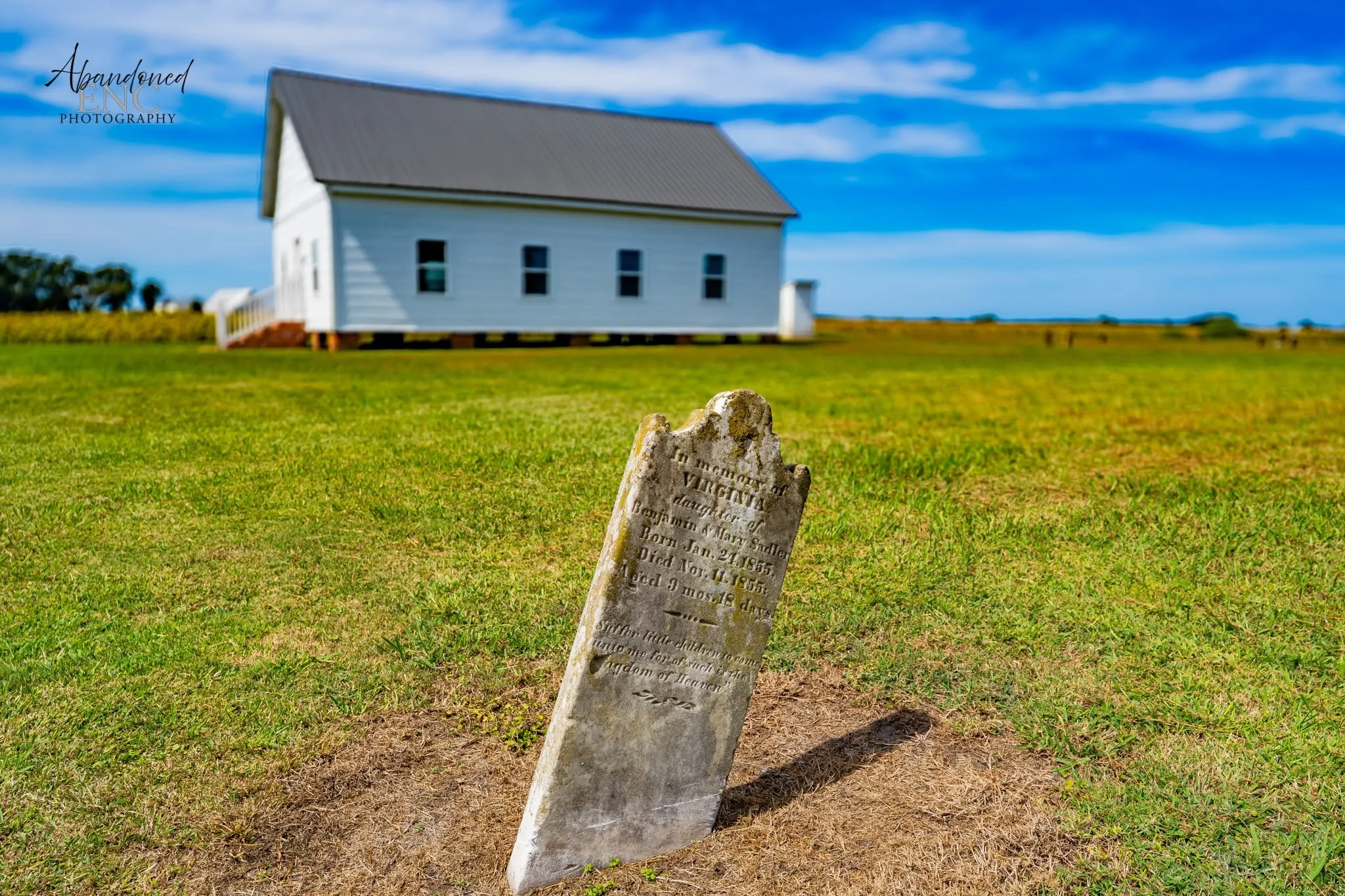
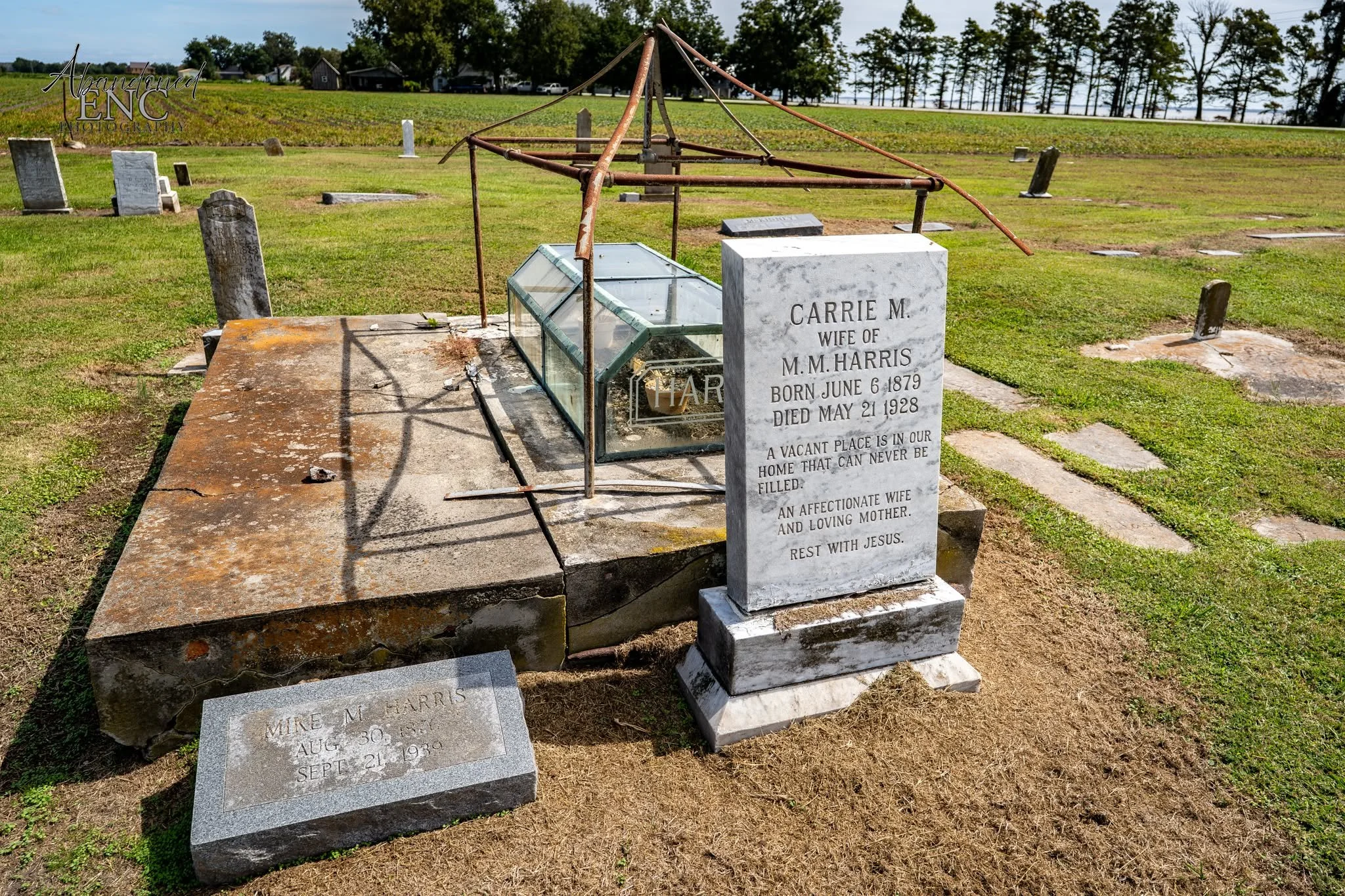
Even today, the cemetery beside the church serves as a reminder of the generations who have called this place sacred ground.
The Beginning of Bethlehem Primitive Baptist Church
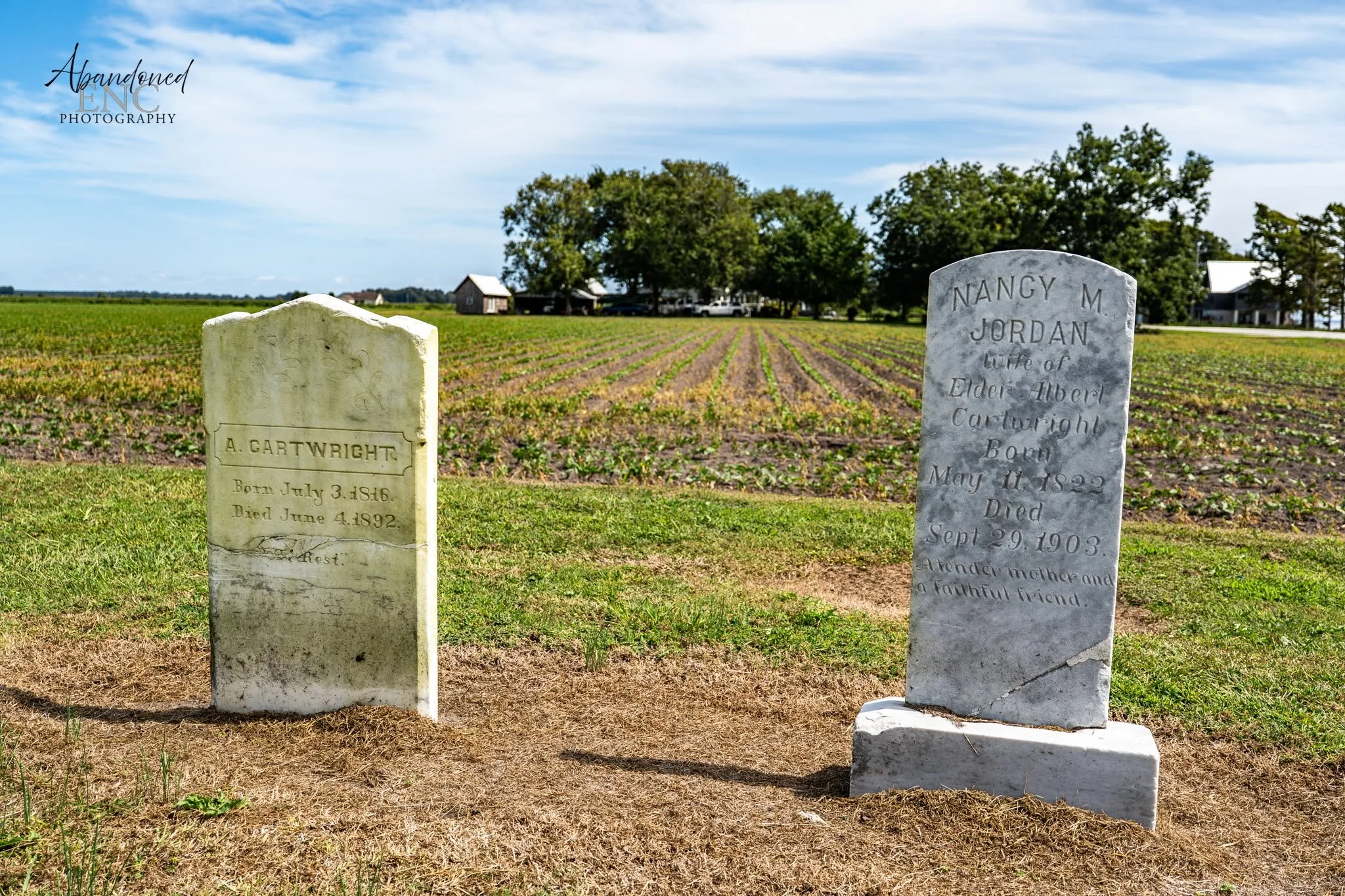
Just ten years later, in March 1808, the Southside Primitive Baptist Church was organized at the home of Daniel Murray.
The former Quaker meeting house soon became the congregation's church home, although historians do not know exactly when or why the Quaker congregation disappeared or how the transition to a Primitive Baptist church took place.
Many of Hyde County's early families, including the Cartwright, Harris, and Hall families, became active members of the new church.
How Old Is the Building?
One of the most fascinating questions surrounding Bethlehem Primitive Baptist Church is also one that cannot be answered with certainty.
The church's earliest records have been lost, making it impossible to determine exactly when the present building was constructed.
However, careful study of later records led local historians to an intriguing possibility. The current structure may contain timbers from the original Quaker meeting house, or it could even be that original building with repairs and alterations made over time.
If that theory is correct, portions of the church could date back to the late eighteenth century. While that has never been definitively proven, it makes Bethlehem one of the most historically significant rural churches in eastern North Carolina.
A Story from 1818
One account preserved in the church's history offers a glimpse into what life around Lake Mattamuskeet was like more than 200 years ago.
On May 12, 1818, missionary Samuel Perkins wrote about traveling by boat across the lake to preach nearby. Before the service had ended, a violent storm arose, making the return trip extremely dangerous. Perkins later described how the wind became so fierce that everyone traveling together became separated on the lake.
It's a reminder of how challenging travel could be in Hyde County long before roads connected many of these communities.
Preserving the Church's History
Although the church's original records disappeared, members took steps to preserve what they could.
In 1854, a "True Copy" of the church's Articles of Faith, Church Covenant, Church Decorum, and membership list dating back to 1808 was carefully transcribed into a leather-bound volume.
Beginning the following year, that record book traveled with the congregation to meetings held both in the church and in private homes, ensuring the church's history would survive even after the original records had been lost.
More Than a Church
Beginning in 1855, Albin Blount Swindell, Sr. became pastor. During much of the nineteenth century, the church also served as a neighborhood school, making it an important center for both worship and education.
Regular services continued well into the early twentieth century. The church also became known for its annual June Meetings, which drew Primitive Baptists from Hyde County and surrounding counties. By the 1940s and 1950s, these June Meetings had become the primary services still held at the church, preserving a tradition that connected generations of families across the region.
A Place That Still Speaks
Standing beside Bethlehem Primitive Baptist Church today, it's easy to appreciate its simplicity. There are no towering steeples or elaborate stained glass windows. Instead, there is a quiet dignity that comes from centuries of continuous use and faithful preservation.
Whether the building itself dates to the late 1700s or was rebuilt using timbers from an earlier meeting house, there is little doubt that this site has been a place of worship for well over two centuries.
For me, places like Bethlehem Primitive Baptist Church are reminders that some of North Carolina's richest history isn't found behind museum walls. It's still standing where it has always been, waiting patiently along the backroads for someone to stop, take a closer look, and remember.
Sources
Hyde County History: A Hyde County Bicentennial Project. Hyde County Historical Society, 1976.
Hyde County GenWeb. Bethlehem Primitive Baptist Church.
Hyde County Historical & Genealogical Society. High Tides, Vol. 23, No. 2 (2002), including the church's Articles of Faith, Church Covenant, early membership records, and the 1798 Quaker deed.
